The Iron Gates Natural Park (Portile de Fier ) occupies an area of 115,665 hectares (285,790 acres).

The park follows the Danube along the southern side of the Carpathian Mountains. There are numerous modern hotels along the trajectory. To cycle from Moldova-Noua to Orsova through the breathtaking scenery is highly recommended. At some points the Danube is only 120m wide and 60m deep. The bust of Decebal carved into the rocks is a main attraction. There is a series of marked walks, e.g. the walk to the basalt formations in Trescovat. There are many available routes for mountain bikers also, in particular the route from Liubcova via the Czech village Ravensca (Rovensko) to Sopotu Nou is recommended. There are virtually unlimited possibilities.
The Cheile Nerei – Beusnita Nationaal Park covers an area of 36,758 hectares (90,831 acres) consisting of a karst mountain region split by the Nera river. 
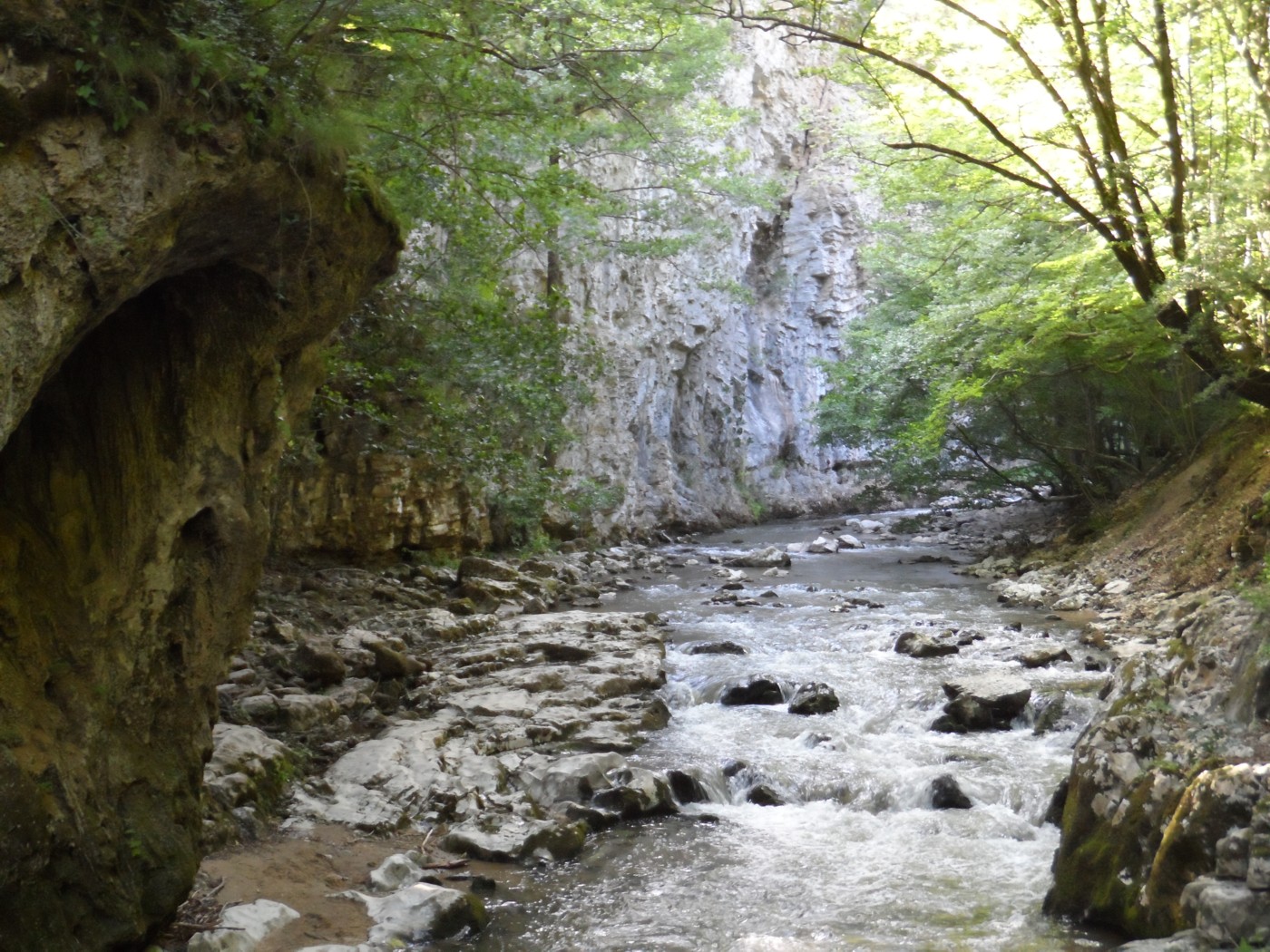
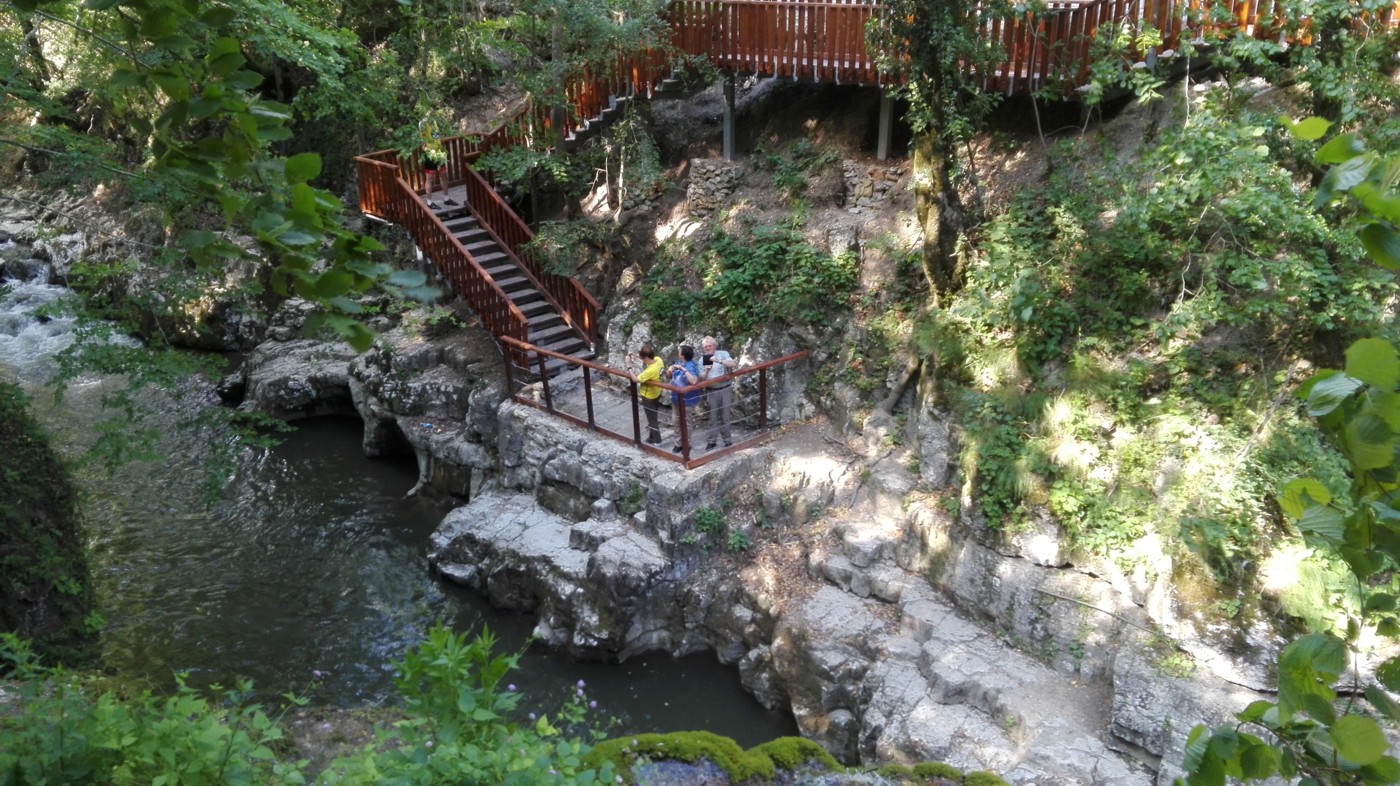
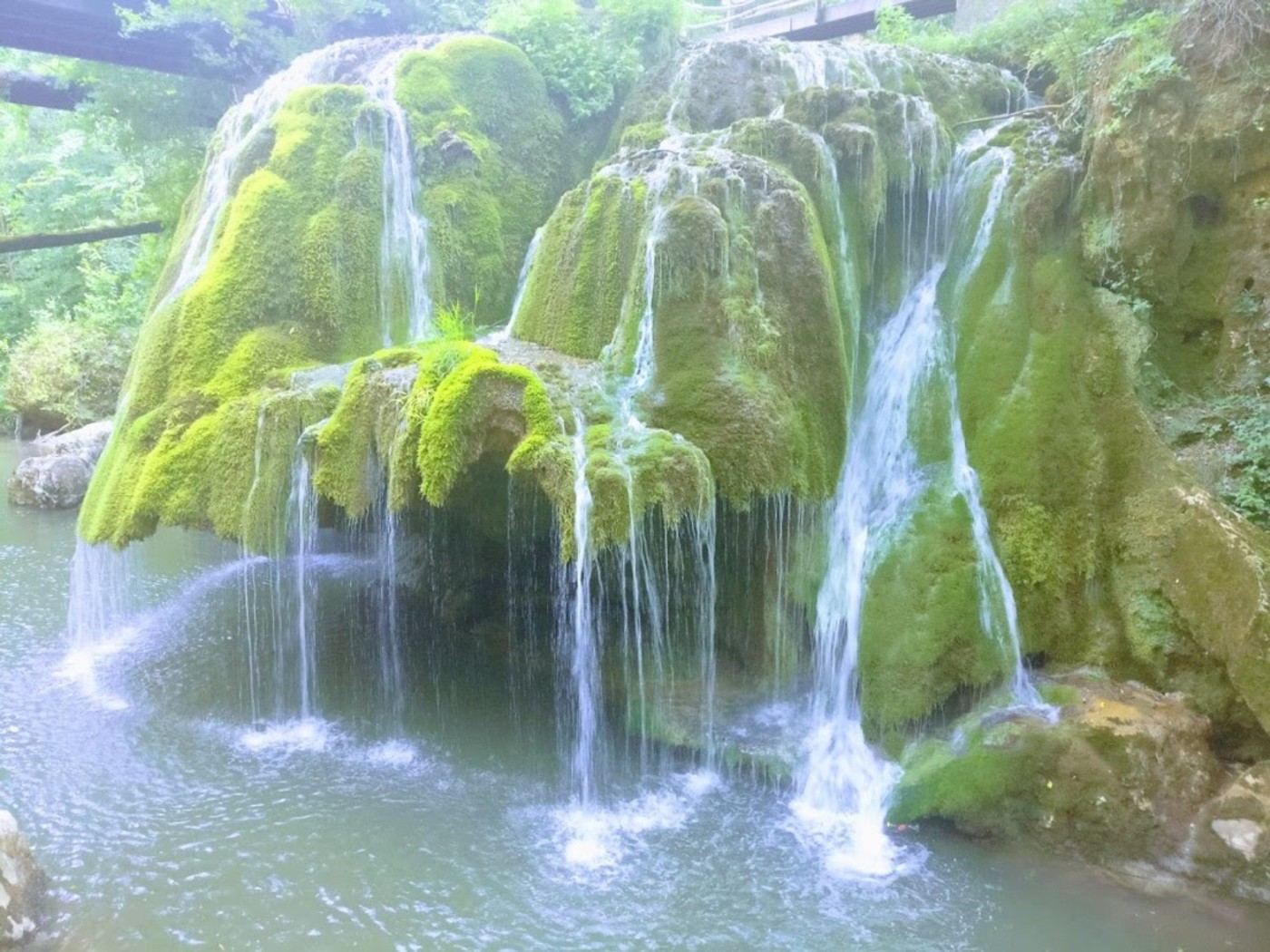
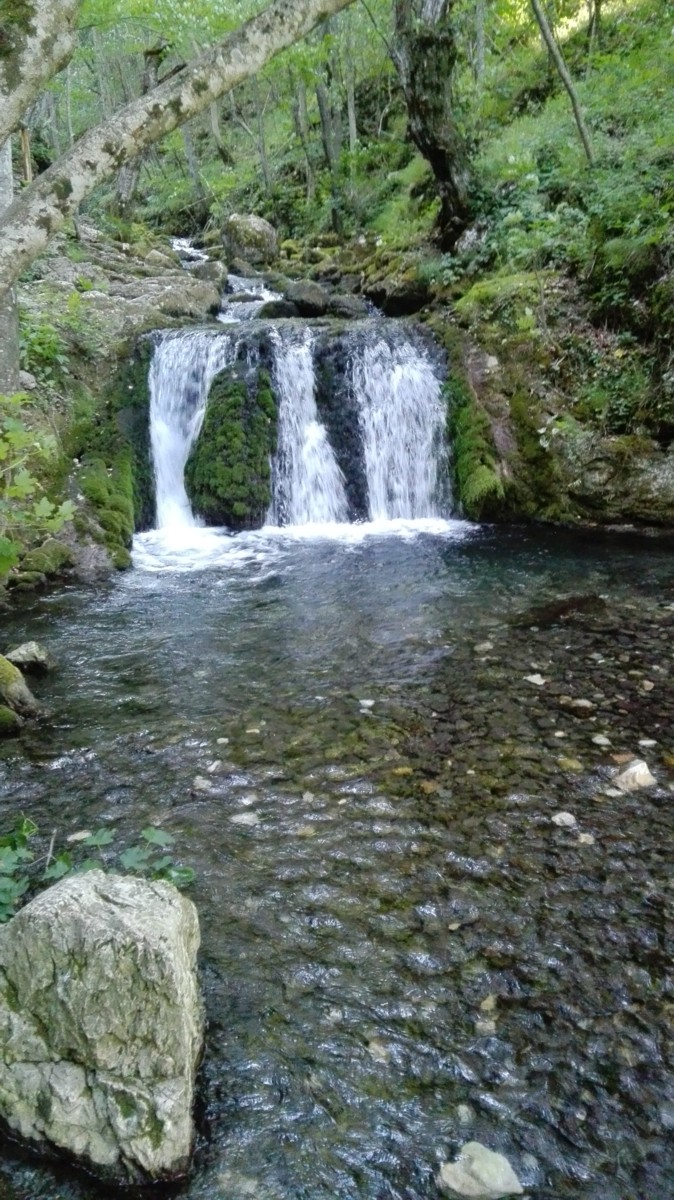
The Nera gorge gives rise to some of the most picturesque walking routes available in Romania with many ridges and tunnels carved into the mountainsides (dating from Roman times). The area recently gained extra prestige as the Bigar waterfall was designated by World Geography as the most beautiful waterfall in the world. About 20km further into the reserve from Sasca Română lie the Beusnita waterfalls, also well worth visiting.
The Semenic – Cheile Carasului Nationaal Park covers an area of 36,665 hectares (90,601 acres) with limitless hiking and cycling routes.
There are rugged gulleys, caves, sink holes and expansive beech forests. The mountain bike route from Valiug Crivaia (plenty of boarding possibilities) past the Nera springs to Borlovenii-Veche which includes a historic paved path (around 40km) through pristine natural landscapes is particularly worthwhile.
The Domogled – Valea Cernei Nationaal Park covers an area of 61,200 hectares (151,228 acres) of which 44,500 hectares (109,961 acres) is forested.
 There are deep ravines carved by the Cerna river, limestone peaks, caves and waterfalls. Sulphur fumes escape through rock fissures close to the spa at Baile Herculane. This volcanic activity also gives rise to hot springs. The area has an enourmously rich variety of fauna and many rare species can be found. The park is most easily accessed from Baile Herculane. Hotels, hostels, camping sites and restaurants can be found nearby. In the national park itself there is little infrastructure and few marked routes however the experienced hiker can journey for days using gps-routes and/or a compass. To the north of the park lie the Godeanu and Tarcu mountains with peaks ranging up to 2292m.
1. The Bigarwaterfall


The water from the Bigar spring falls 8m onto a moss covered tuff stone in the river Minis and maintains the same flow all year round. The Minis valley is situated alongside the scenic and rural road 57B Anina-Bozovici where this intersects with the 45th parallel. You are exactly halfway between the North Pole and the Equator.


Eftimie Murgu lies alongside the same road 57B, which branches off from the E70 close to Baile Herculane. This village still retains a centuries-old tradition of using watermills to grind grain. On the river Rudaria there are 22 watermills, dams are used to regulate the level and flow of the river. The mills use a horizontal waterwheel and are unique. Each mill is used by a group of the residents, each family may use a mill for 24 hours. Investments secured this incredible heritage.


This 150 year old railway line connects Anina with Oravita. It was the first mountain railway to be constructed in Romania. Not a huge amount has changed since and twice a day the line is still used, previously by a steam locomotive but now with a diesel powered engine. The question is for how long, it is not a profitable enterprise. The railway is 33km long and in operation since 1854 to transport coal from Anina to Oravita. There are 14 tunnels, 10 viaducts and 143 bends in the trajectory. Originally the construction was authorized by the chancellery in Vienna for “animal traction”. The train takes 2 hours in either direction. You have to make reservations click here.
3. Trei Ape (three waters)


Trei Ape is a resevoir 18km west of Slatina. There is a recently surfaced road from Slatina-Timis. The reservoir is also the source of the Timis. The water of 3 rivers come together in the lake which provides the provincial capital Resita with drinking water and coolant for the furnaces.
The beautiful landscape houses the Bohemian villages Weidenthal (Brebu Nou) and Wolfsburg (Garina). They were established by German migrants in 1828 along the military border of Austria and have grown after many hardships. In 1990 many Germans left the villages behind in favour of the homeland. Many of the houses were purchased by rich families in Bucharest and Timisoara and restored. They are largely holiday villages today.
 1. Caransebes (pop. 28,000) is only 20km from Slatina-Timis along the E70. There is annual sculpture symposium from mid-June to mid-July. Many of the sculptures can be found dotted around the streets and city park. Marcel Vela (PNL) is the current mayor of Caransebes. He has been able to completely renovate the emergency response services (Smurd) at the local hospital. He also secured European subsidies to purchase modern equipment for the radiologie department. He is also trying to improve the economy of the city by attracting investment in industry: timber, furniture, car (parts) manufacturing… the airstrip will be adding a helipad.
 2. Resita (pop. 80,000) is the provincial capital of Caras-Severin. The city was established in the 18th century during the Austro-Hungarian period. Previously coal and iron were mined in the area. The city became an important centre for the iron and metal industry with blast furnaces amid sad high-rise buildings. The population reduced by 20% since the revolution and the foundries (producing turbines for hydroelectric plants, and propellers for the shipping industry) are mostly ruins today. Resita has an open air locomotive museum with a varied collection of steam trains, etc. The city that once proudly claimed that only their well forged rivets were good enough for Gustav Eiffel when building the Eiffel tower is now in now in economic decline. Their hope is pinned on the development of the nature reserves in the Banater Mountains for tourism.
 3. Baile-Herculane (pop. 6000) is 50km south of Slatina-Timis in the Cerna valley and possesses an uncommon feature. The thermal springs have attracted man to live there since the Paleolithic period (Old Stone Age). During the 165 year long reign of the Romans is was a well-known spa. 6 statues of Hercules from the period have been excavated at the site. Since 1700 the spa has been slowly transformed and modernized, where indeed during the communist period many pensioners availed themselves of the rejuvenating waters. The town has an abundance of accommodation for tourists and is a good base camp for further exploration of the surrounding attractions and nature reserves.
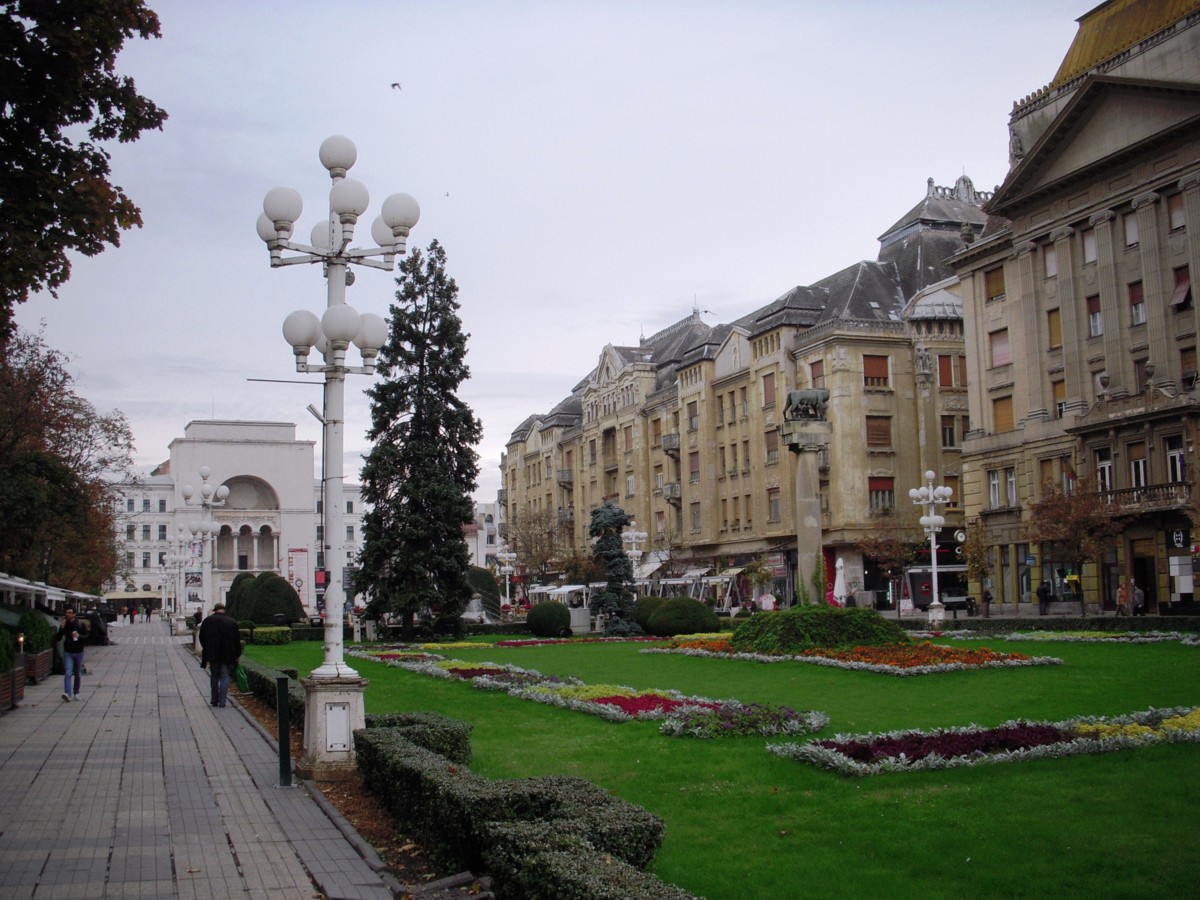
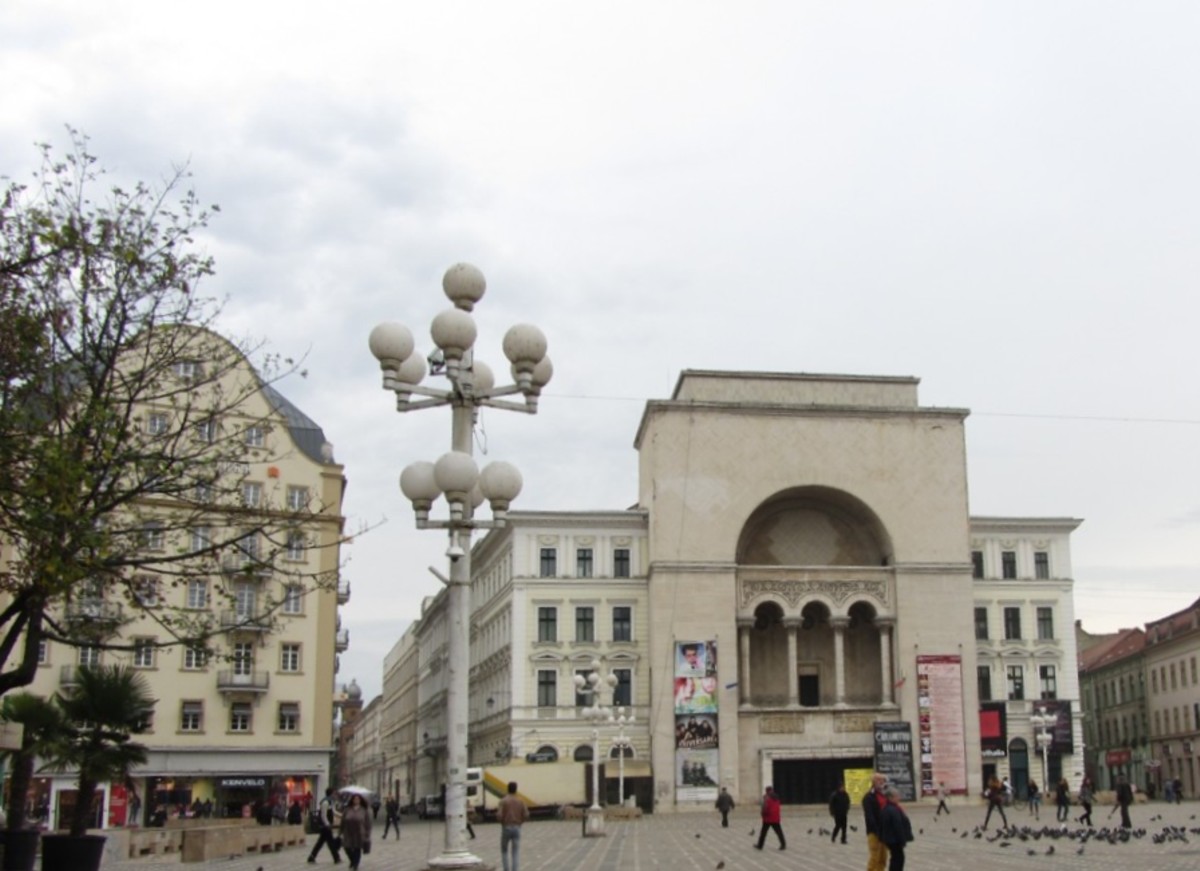
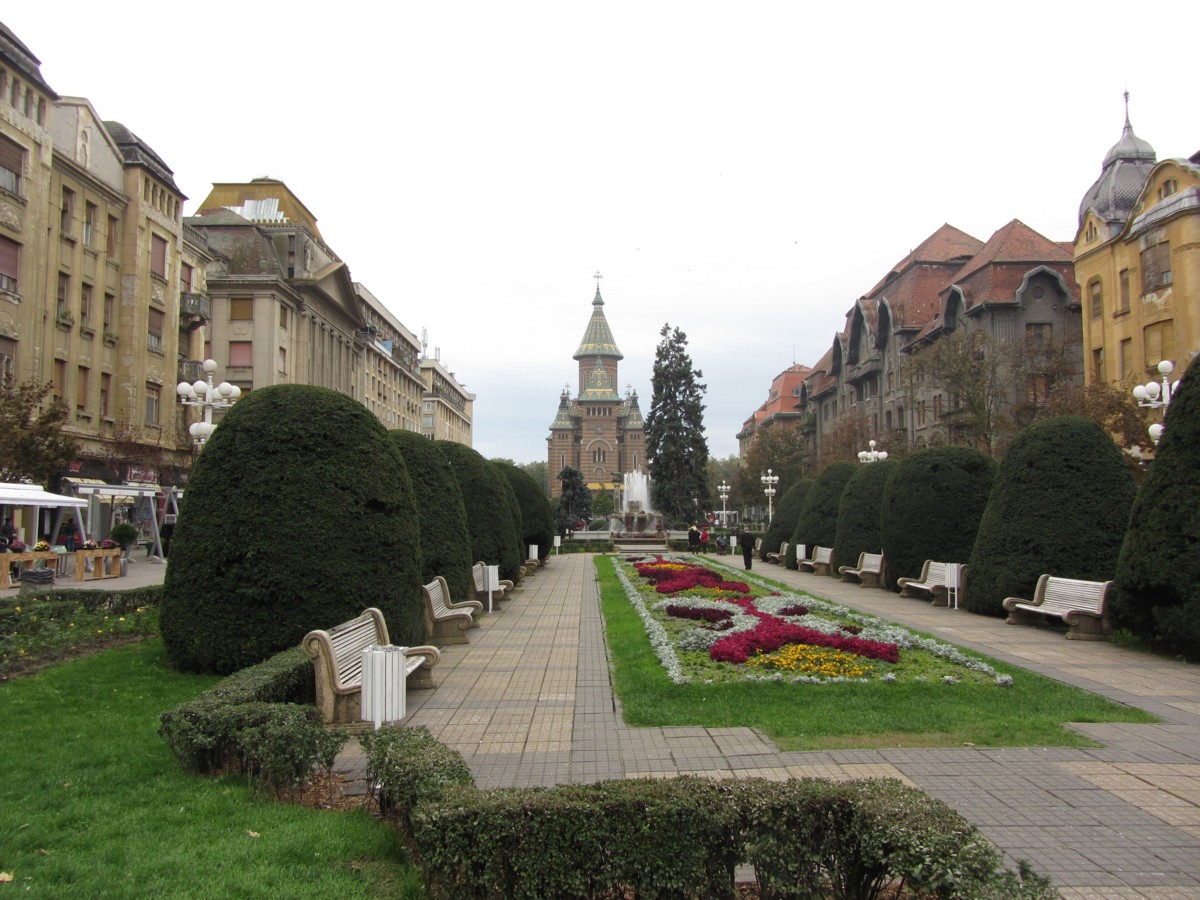
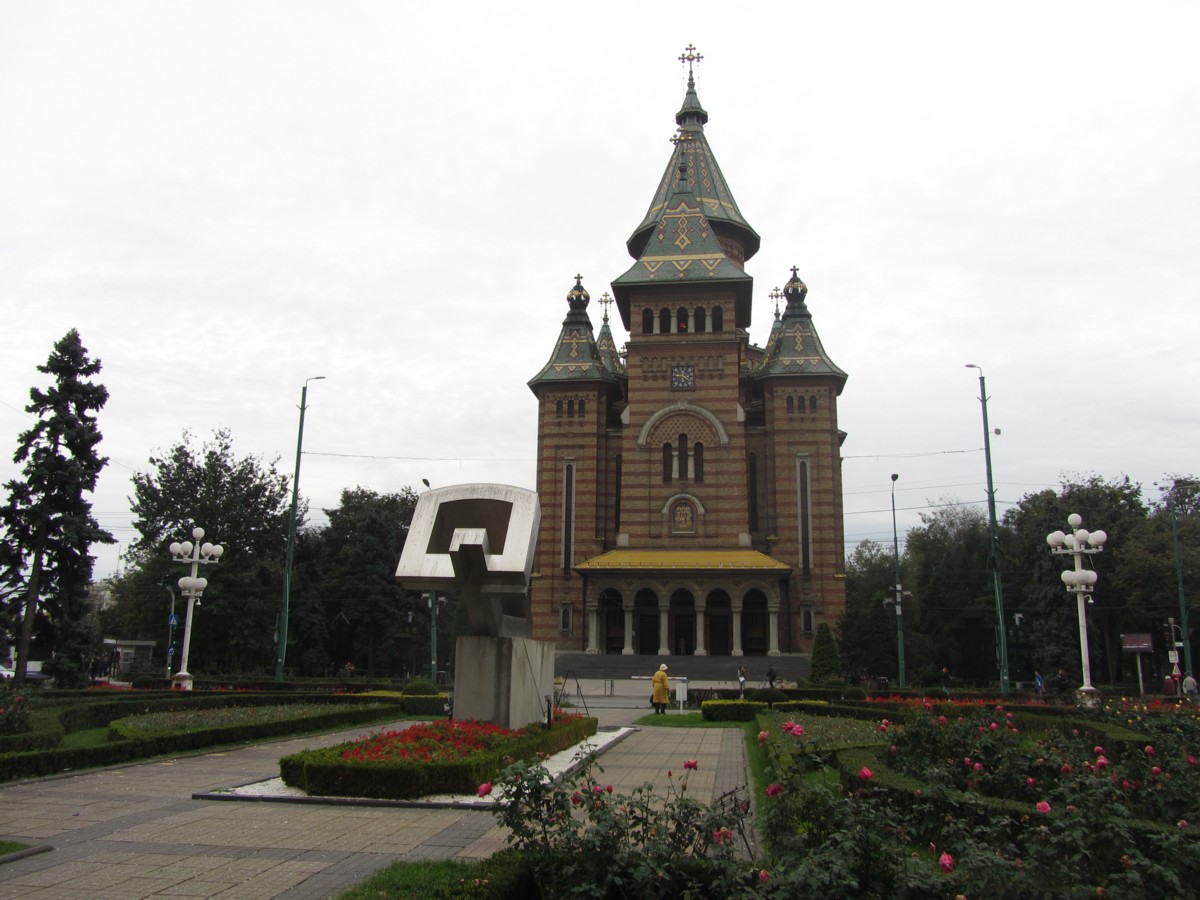
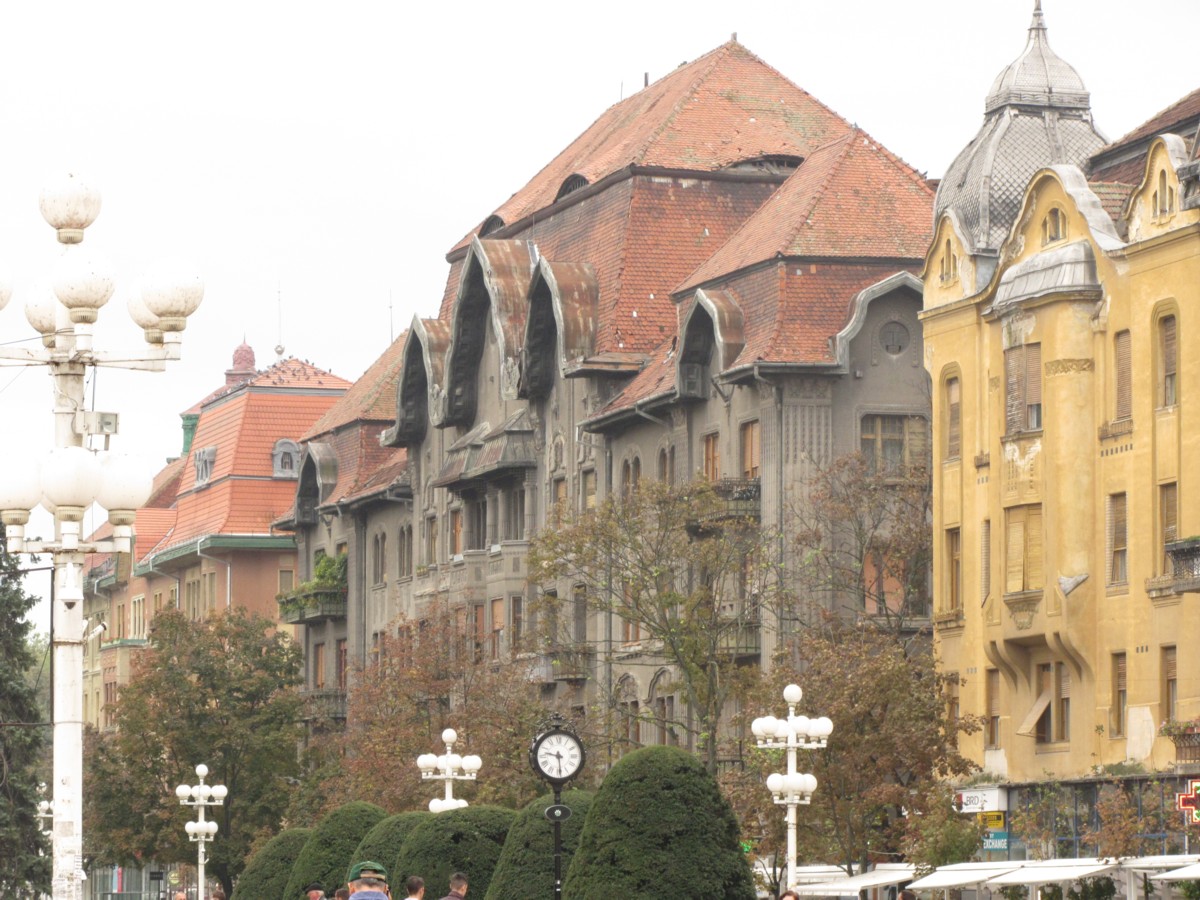
4. Timisoara (pop. 320,000) previously the capital city of the Banat, now the capital of Timis province, has an international airport. It was in this city that the rebellion that lead to the overthrow of the dictator Ceausescu began at a cost of 70 lives. The city is proud of its heritage and pro-Western outlook. The numerous Baroque style buildings determine the character of the city centre (known as ‘little Vienna’). Victory Square (Piața Victoriei) is dominated by the largest orthodox cathedral (1936-1946) in Romania, the opera house lies just around the corner.
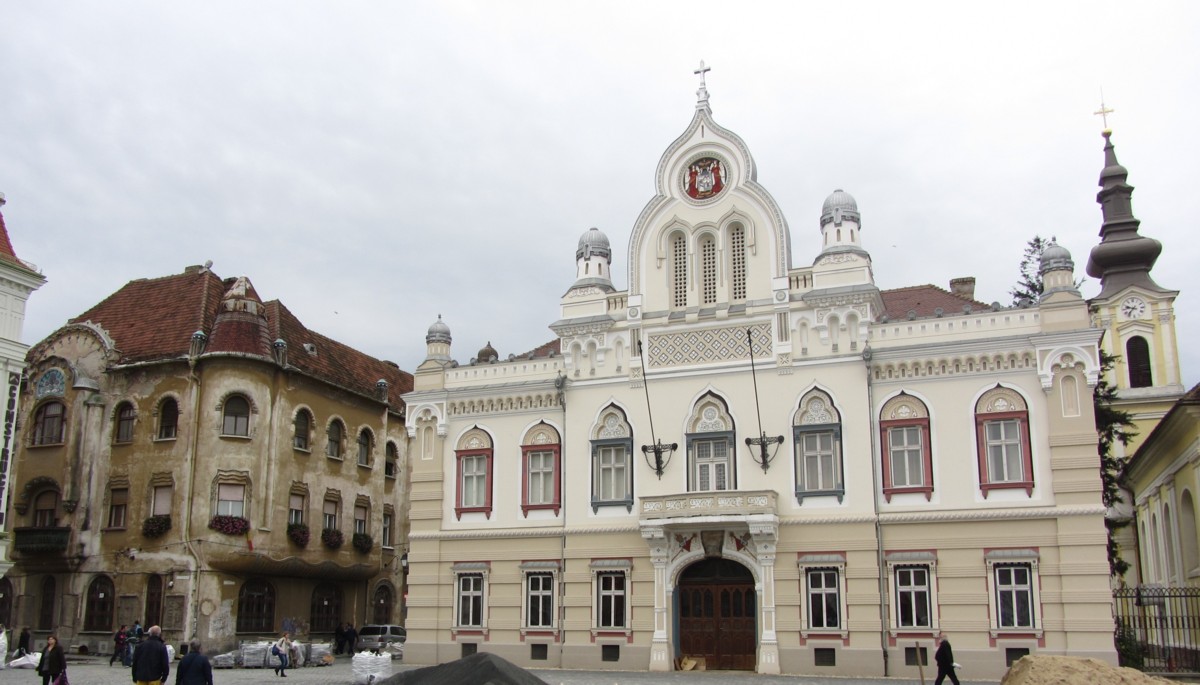
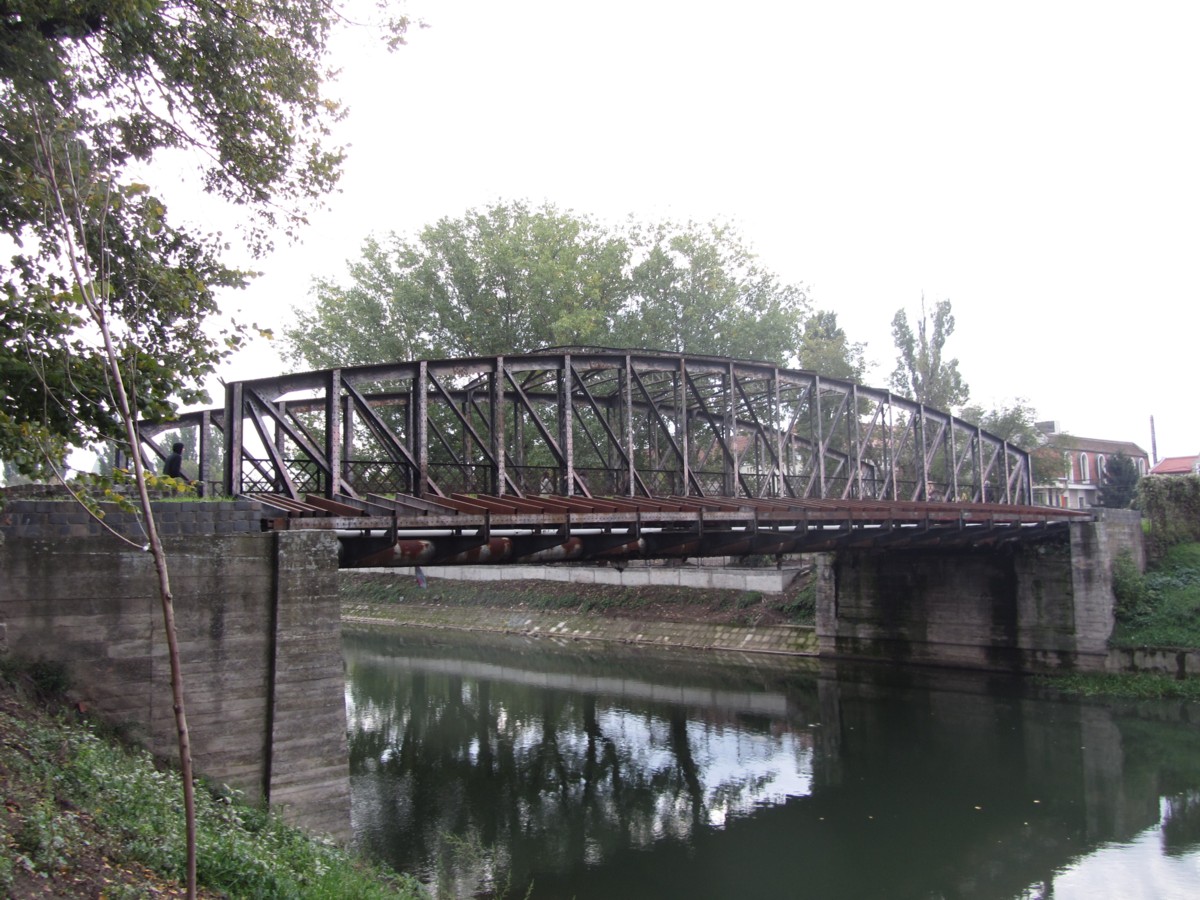
To the north lies Liberty Square (Piața Libertății) containing the old city hall (1713-1734). Further north lies the larger Unity Square (Piața Unirii) containing the Roman Catholic cathedral and the Serbian-orthodox cathedral (1745-1748). The equally Baroque great plague memorial column dates from 1740. There is also an artesian fountain that provides warm mineral water. One of the bridges spanning the Bega canal was designed by Gustav Eiffel. Many of the city’s parks can be found alongside the Bega canal. Timisoara was early to install electric street lighting in 1884, potentially the first city in Europe to do so. Timisoara is the birthplace of Johnny Weissmuller (a.k.a. Tarzan).
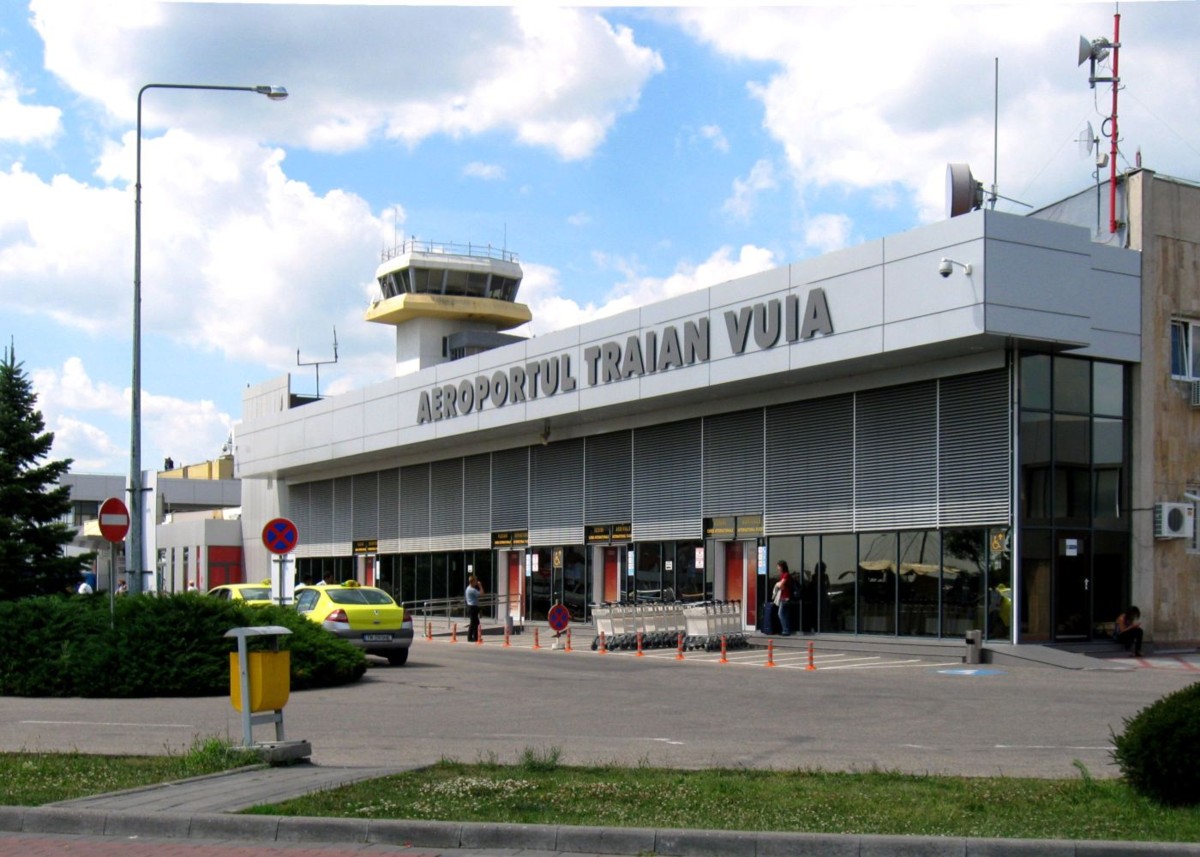
It is a modern city and certainly worth a visit. The university and hospitals are influential throughout the country. The city enjoys a strong economy in an affluent region and a lot of foreign investment. The city is also connected to the European motorway network. The international airport is 120km from Slatina-Timis. There are direct flights fromCharleroi and from Eindhoven as well as daily flights form Bucharest.
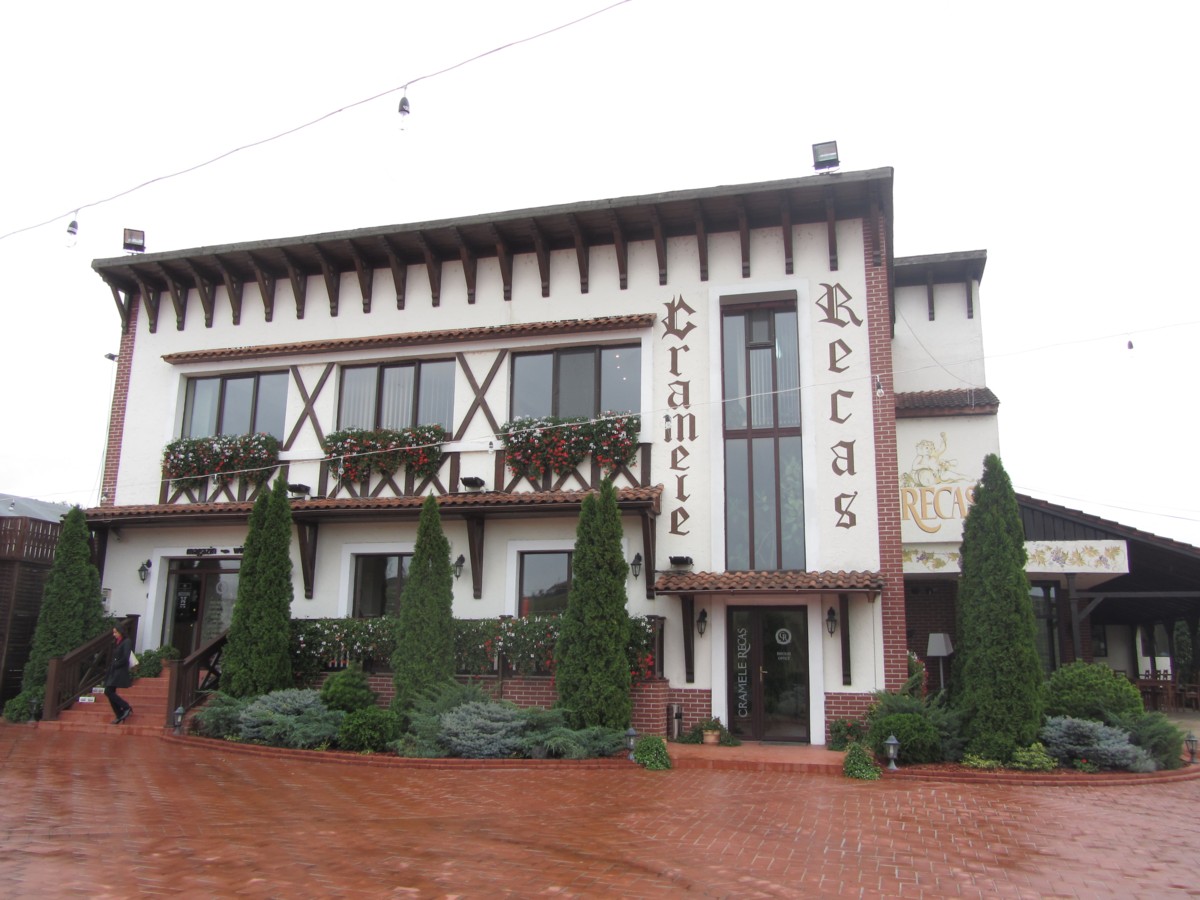
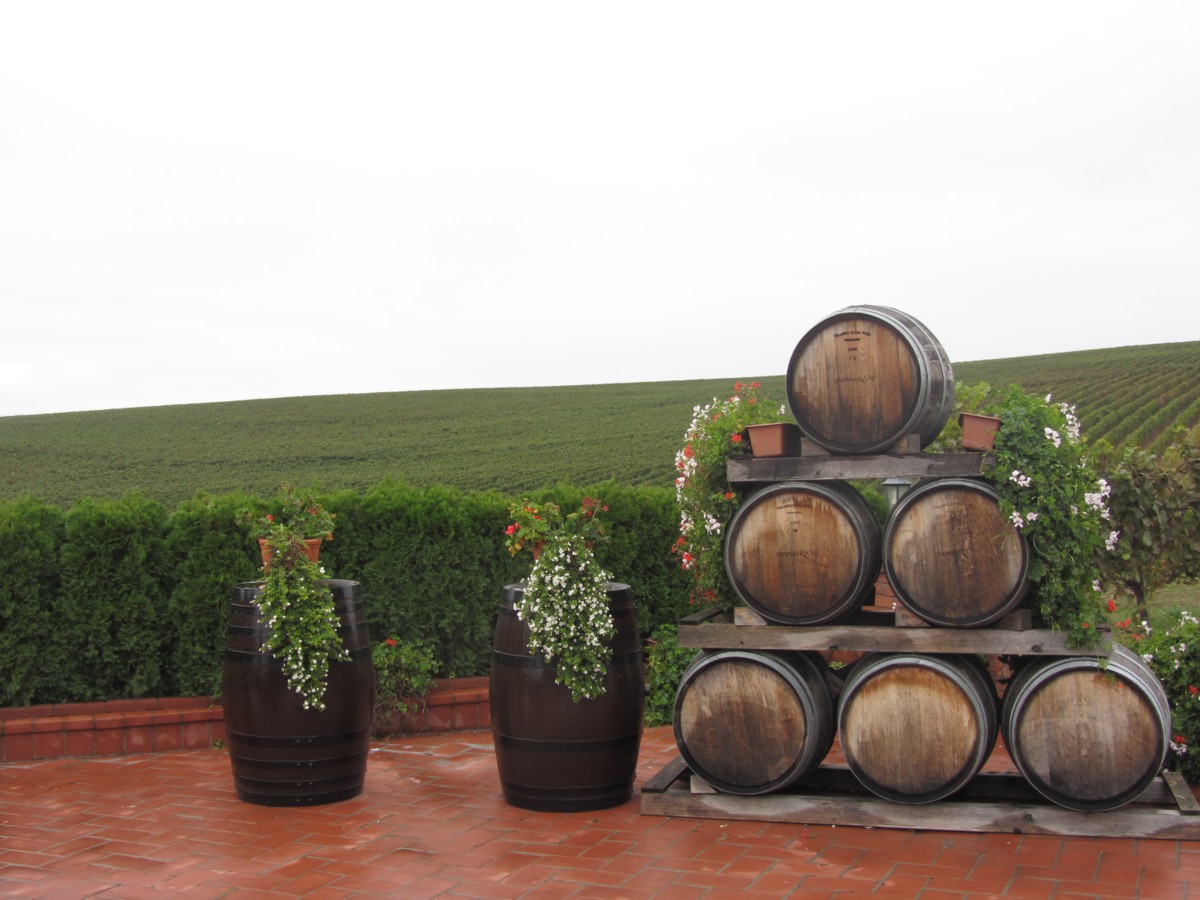
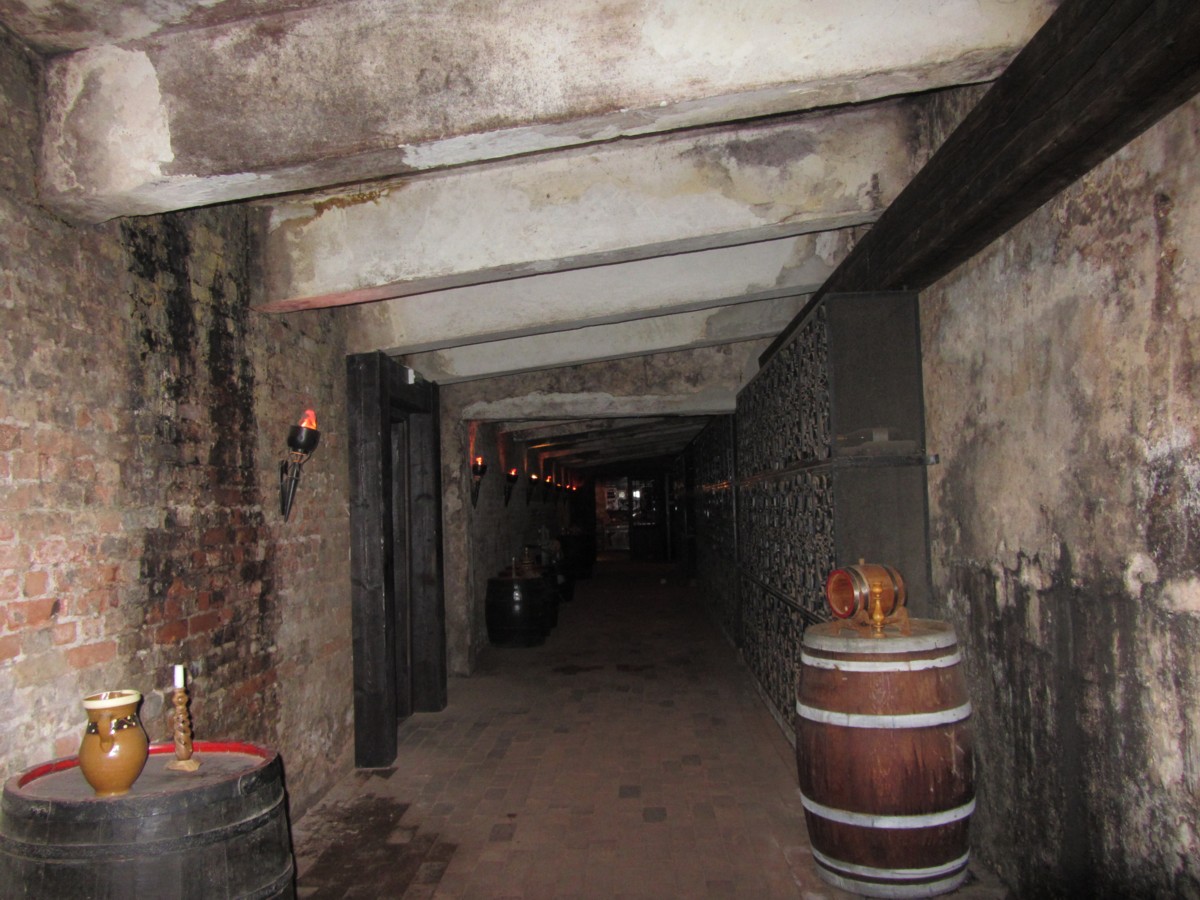
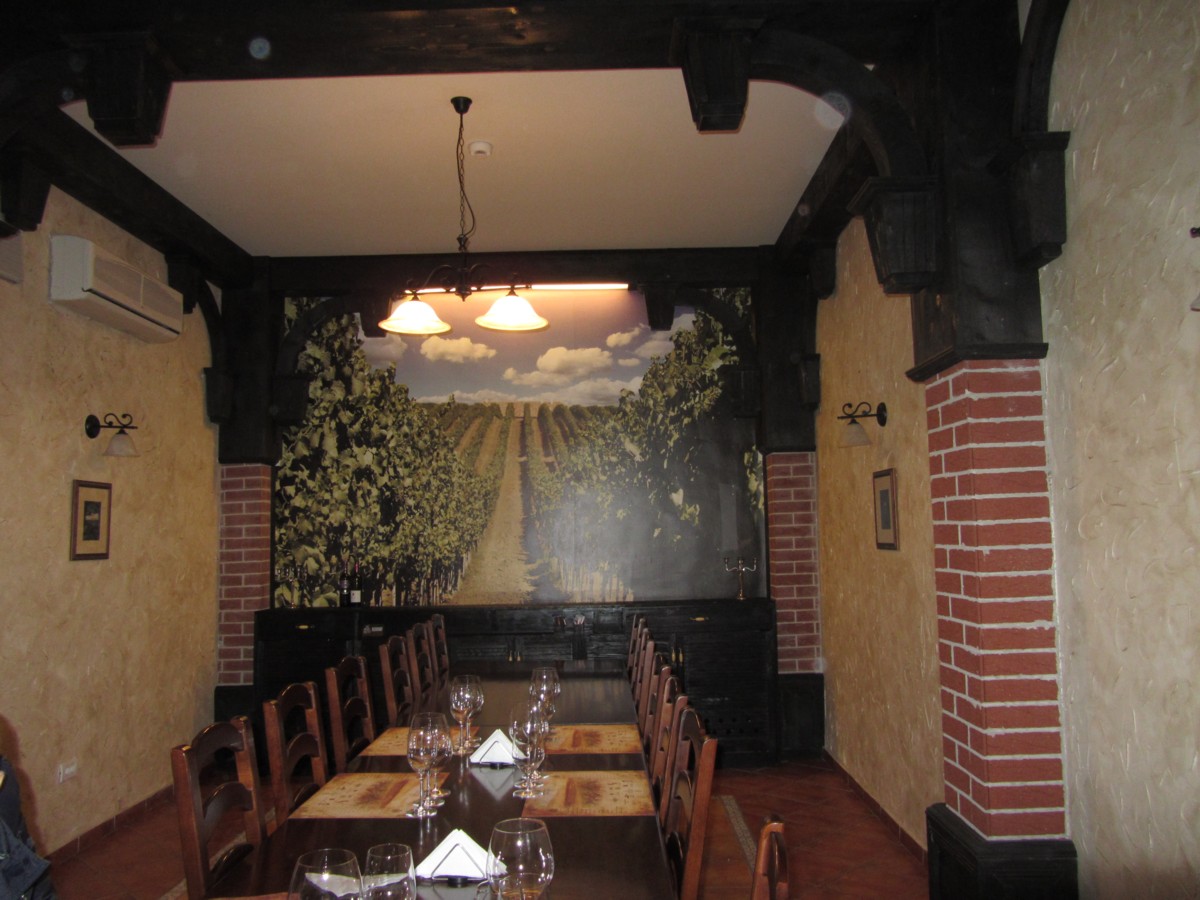
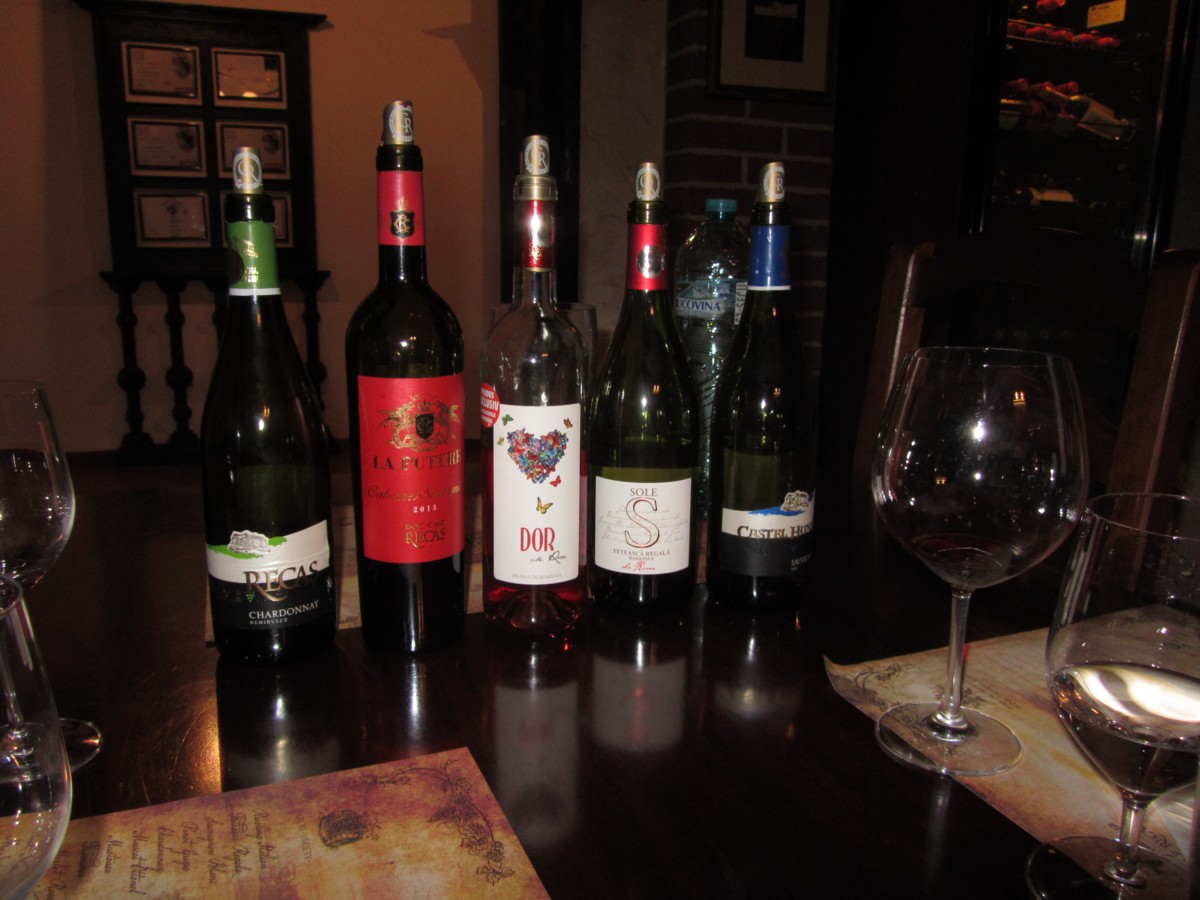
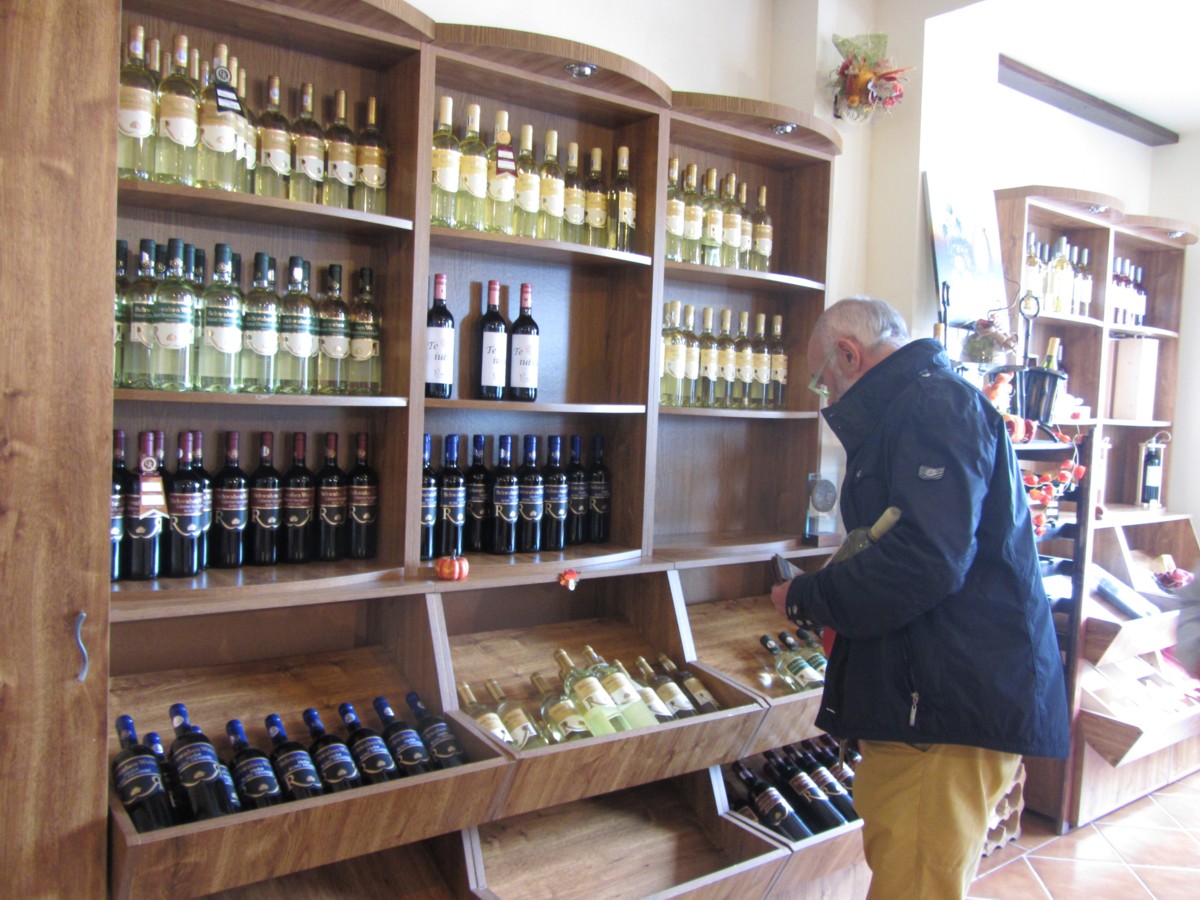
5. Recas : between Timisoara and Lugoj is famous for his wine. The vineyard of Cramele Recas is 950 hectares. Cramele Recas is international wellknown Also in België these wines are distributed. The company can be visited and you can taste the wines .An Italian bio-vintager has 50ha in the neighboring village: Petrovaselo.
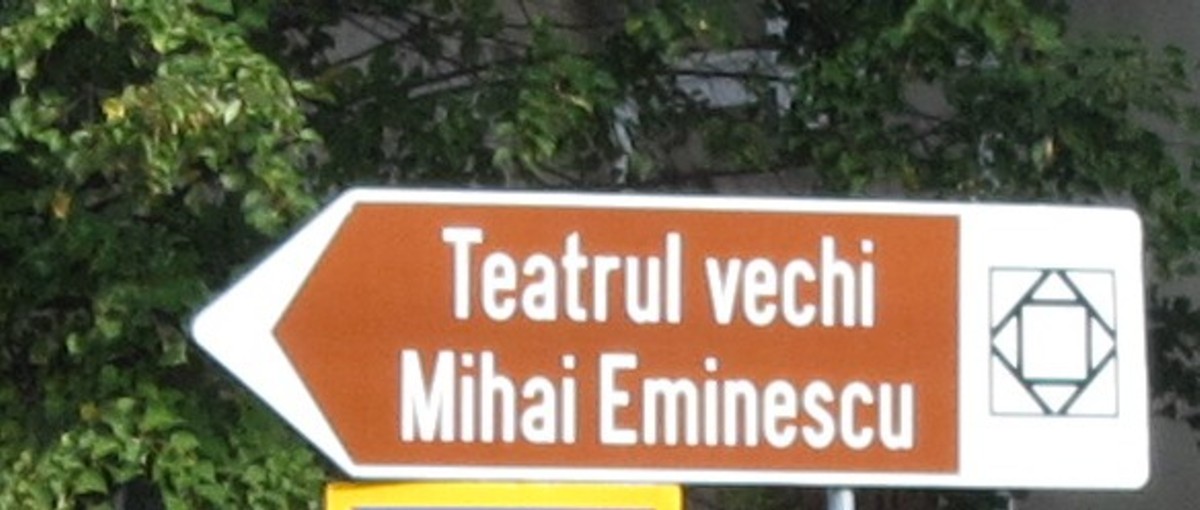
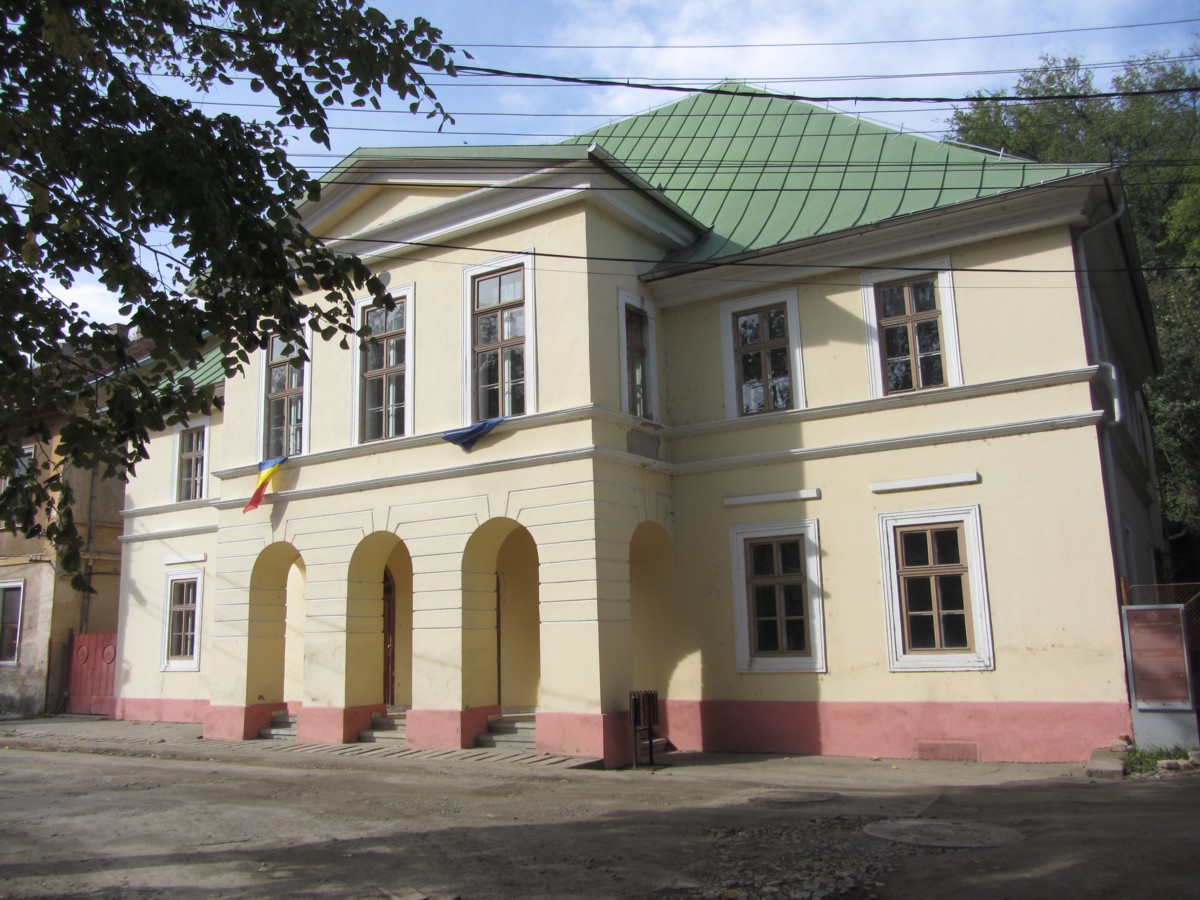
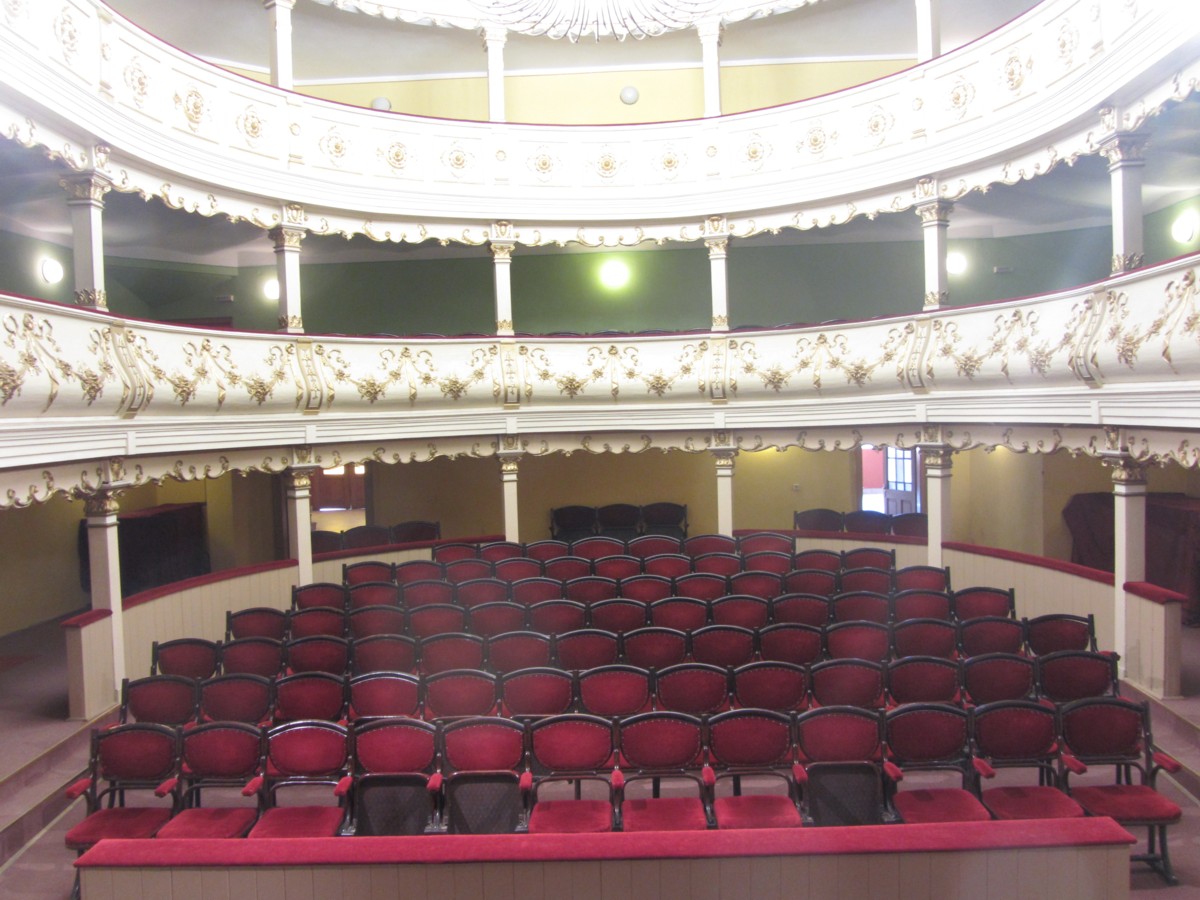
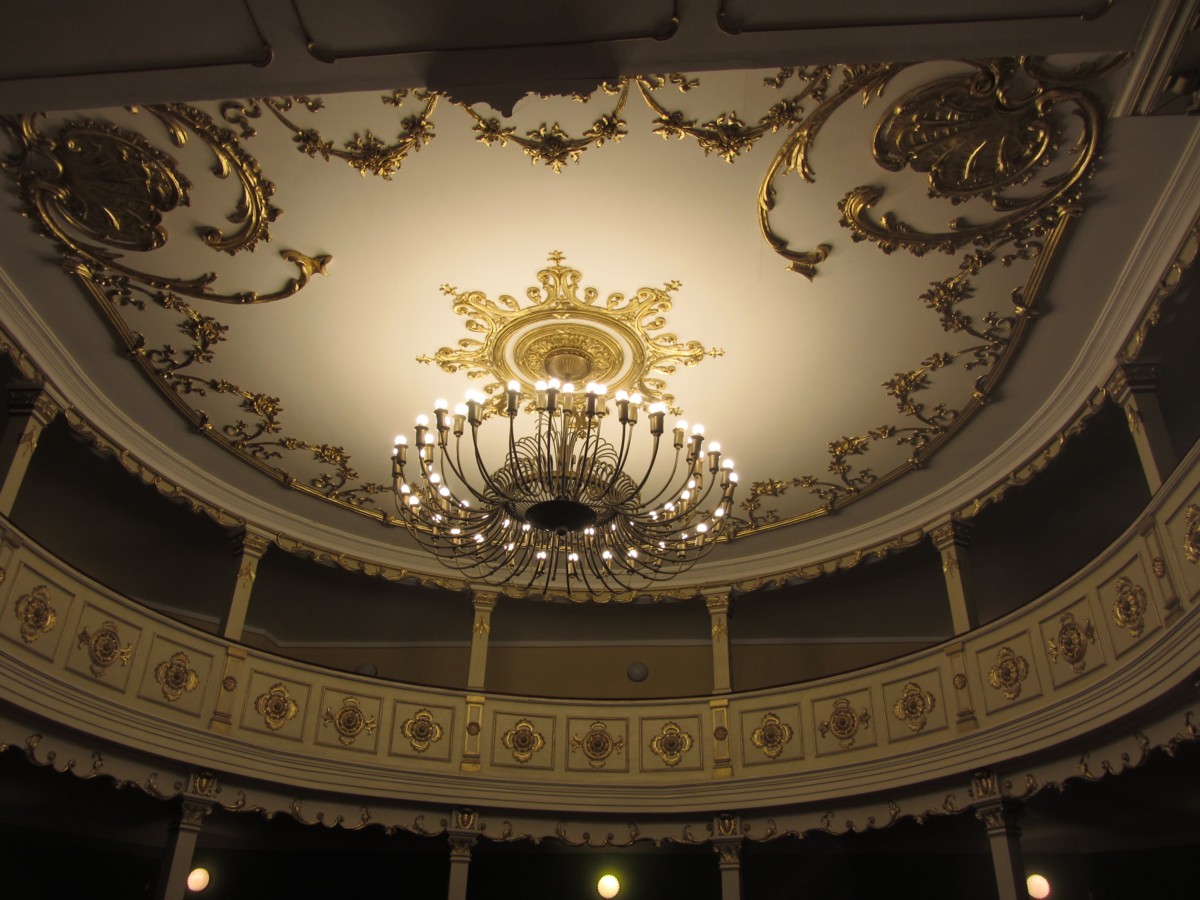
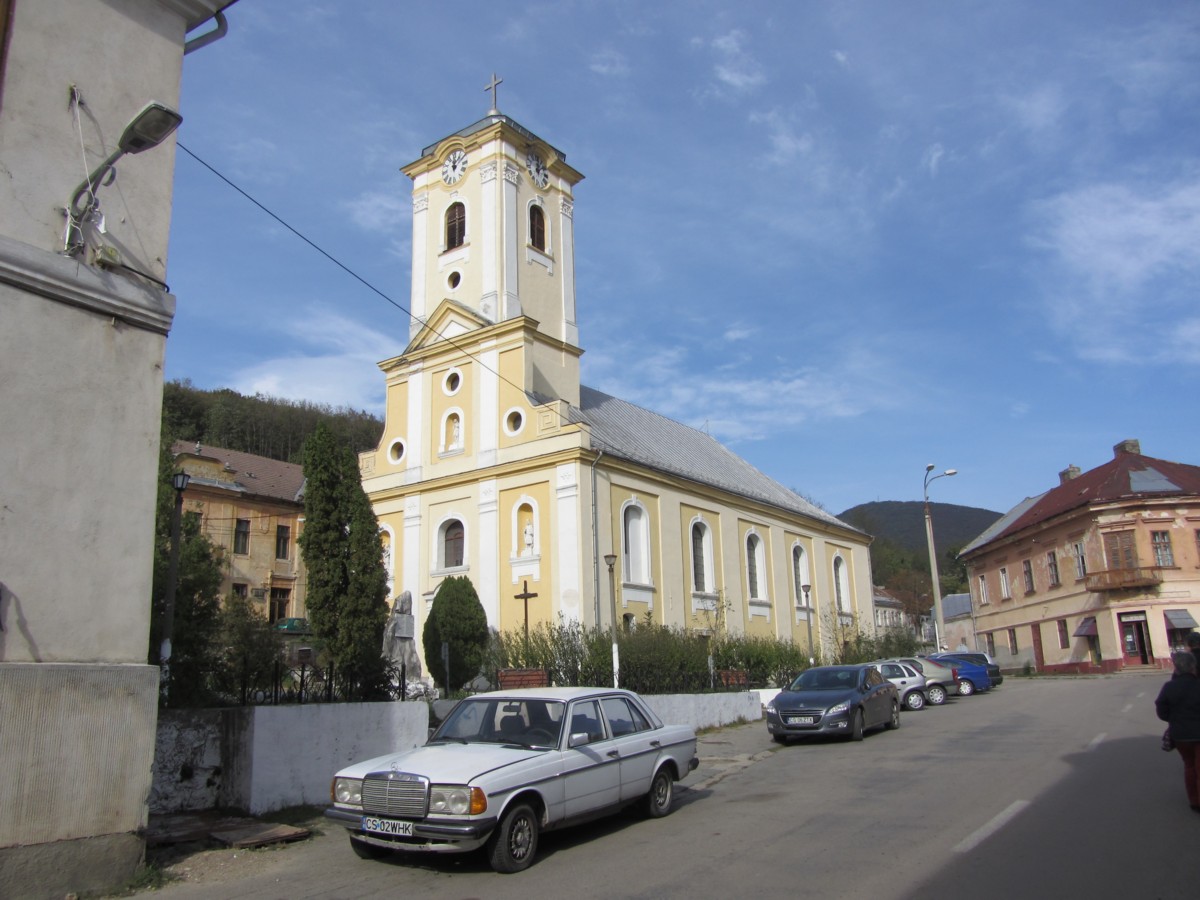
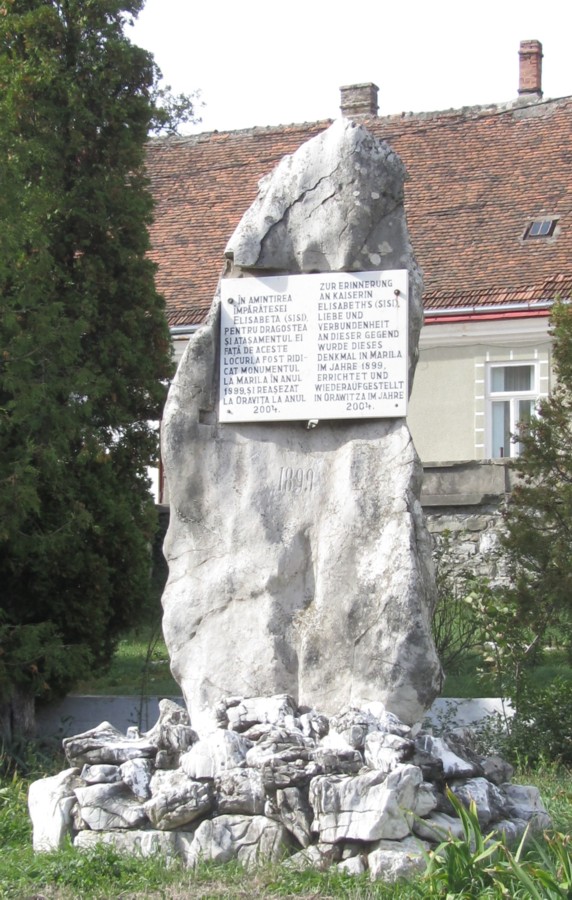
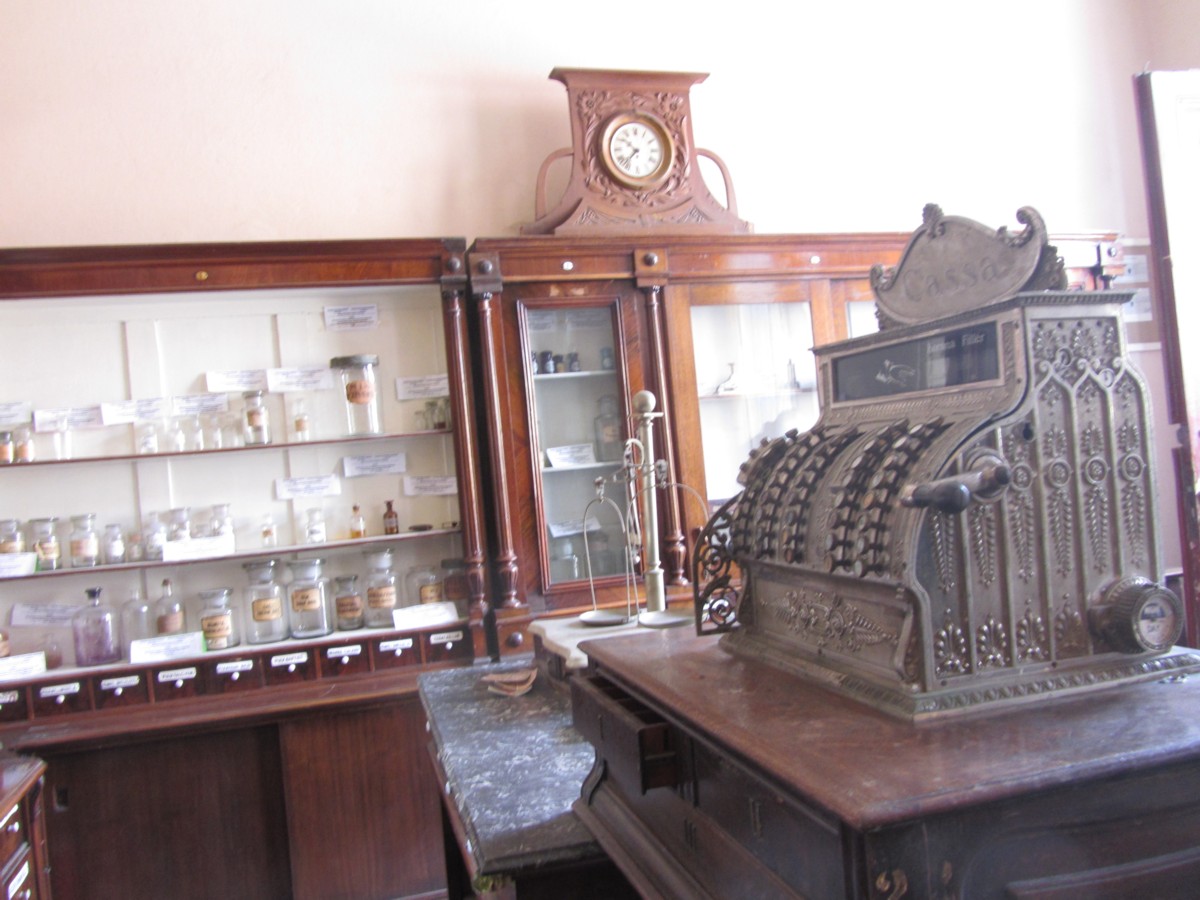
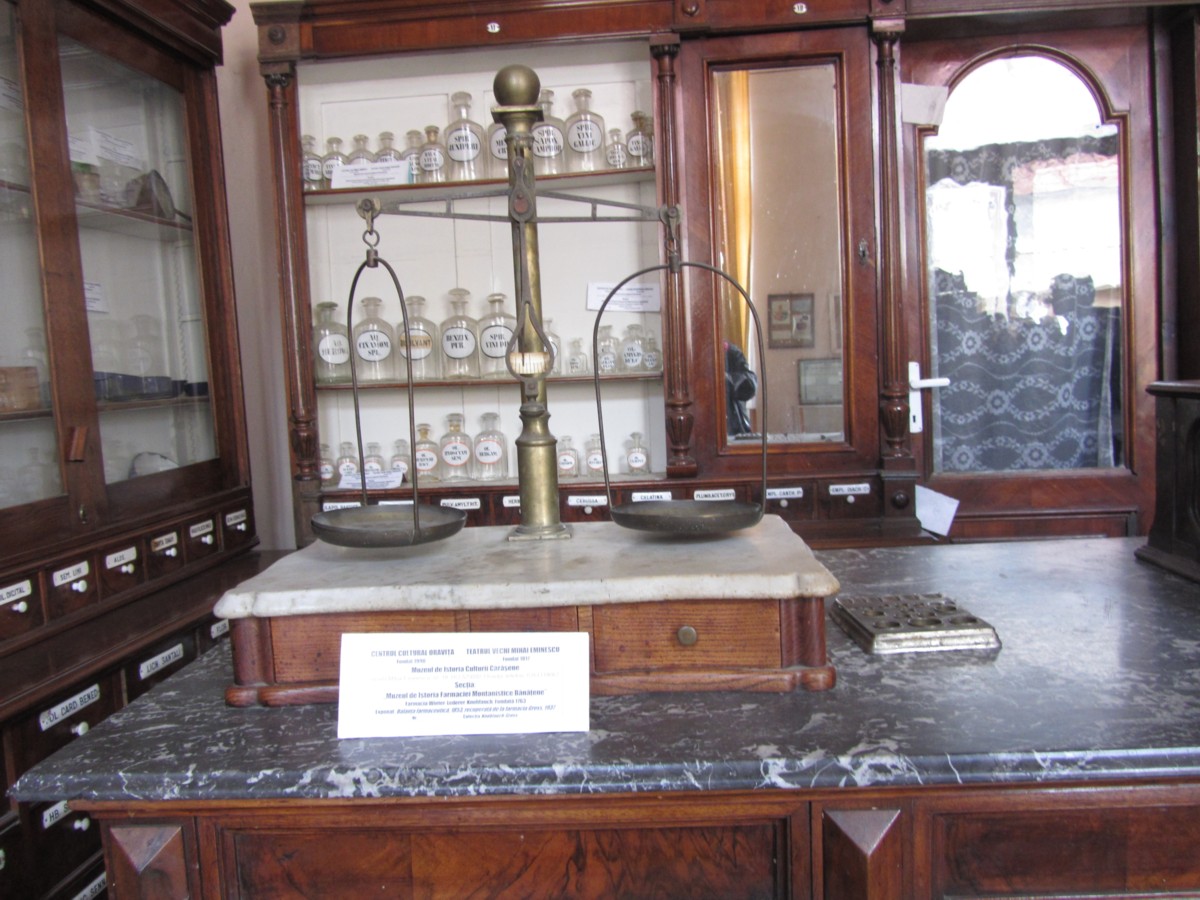
6. Oravita: is situated 55 km from Resita. You can put your car on an parking place in Anina and take there mountain railway to Oravita . The "Mihai Eminiscu theater" is certainly worth to be visited. It is a copy of the Burg theater in Vienna, that has been demolished. In Oravita there is also an Empress Sissi monument at the catholic church, the Austrian-Ungarian empire reached Oravita at the time of the Empress Sissi. Also the oldest pharmacy of this mine region is located in Oravita: the "Knoblauch"-pharmacy".